
Traditional independent sites are being bypassed by AI searches. GEO independent sites achieve a 2.6x leap in conversion rates by enabling AI to proactively recommend brands. This isn’t optimization—it’s rebirth.
Traditional SEO is failing, while a new intelligent customer acquisition paradigm has arrived. Through the deep integration of GEO and AI CRM, businesses are achieving automatic traffic conversion at near-zero cost. Here’s a replicable technical roadmap.
“Building an independent site for free” sounds like a windfall, but most people only realize after hitting a snag that free often ends up being the most expensive option. We dissected five real-life cases to show you how to use DIY website builders to truly achieve low-cost, high-growth cross-border e-commerce startups.
Facing soaring platform traffic costs, Guangzhou standalone site customization is becoming the key to breaking through for foreign trade enterprises. Mastering customer data, reducing acquisition costs, and improving conversion efficiency—from site construction to ongoing operations—every step builds genuine digital assets.

As platform traffic becomes increasingly expensive, Guangzhou independent website customization has become the common choice for high-growth foreign trade enterprises. This isn’t just about changing a website—it’s about rethinking the growth logic: shifting from burning money on traffic to building reusable customer assets.
Are your ads really reaching the right people? Traditional geo-targeting often wastes budgets due to location drift. Now, GEO optimization uses multi-source integration and behavioral geography analysis to turn every location interaction into a high-conversion opportunity.
Traditional independent sites relying on keyword stuffing and ad spending can no longer sustain themselves. GEO-powered independent sites use generative AI to reconstruct content logic, enabling web pages to truly “understand” user needs, resulting in 140% growth in organic traffic and a bounce rate reduction of over 40%.
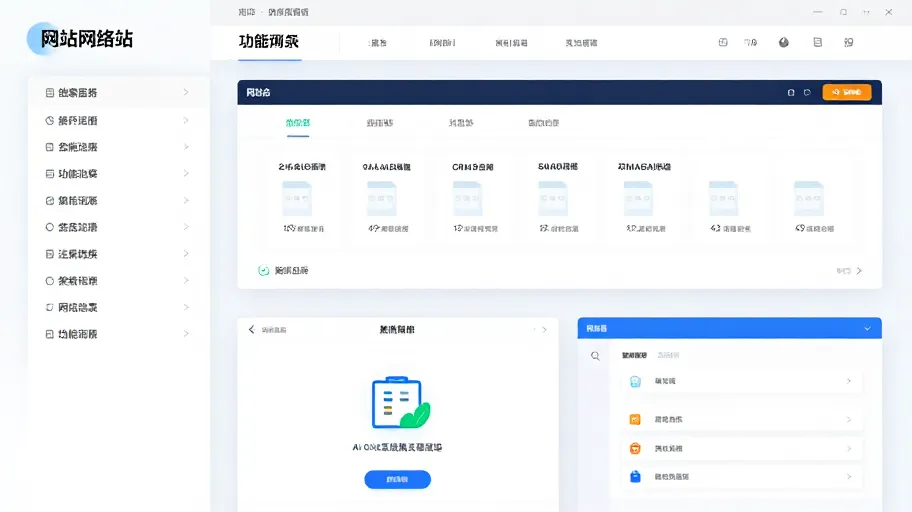
Before launching a website development project in Guangzhou, the most important questions to answer first are not "who will build it" or "how much will it cost," but rather: what business problems does this project aim to solve, what level of completion is considered finished, and what criteria will be used for acceptance. Clearly defining these three aspects provides a solid foundation for subsequent communication, price comparisons, and project acceptance. This article is divided into three sections—requirements clarification, scope definition, and acceptance checklist—for reference by foreign trade, manufacturing, and cross-border enterprises in Guangzhou and the Greater Bay Area.
Small and medium-sized enterprises can now build efficient independent-site systems at zero cost. With GEO’s precise traffic generation and AI CRM’s intelligent conversion, we’ve automated the entire process from traffic acquisition to repeat purchases, helping multiple cross-border brands reduce their customer acquisition costs by over 40%.
GEO optimization isn’t about piling on technology—it’s a growth engine. The real question is never “should we do it?” but “is the place you’re optimizing really where users are stuck?” We break down the critical path from identifying needs to realizing value.
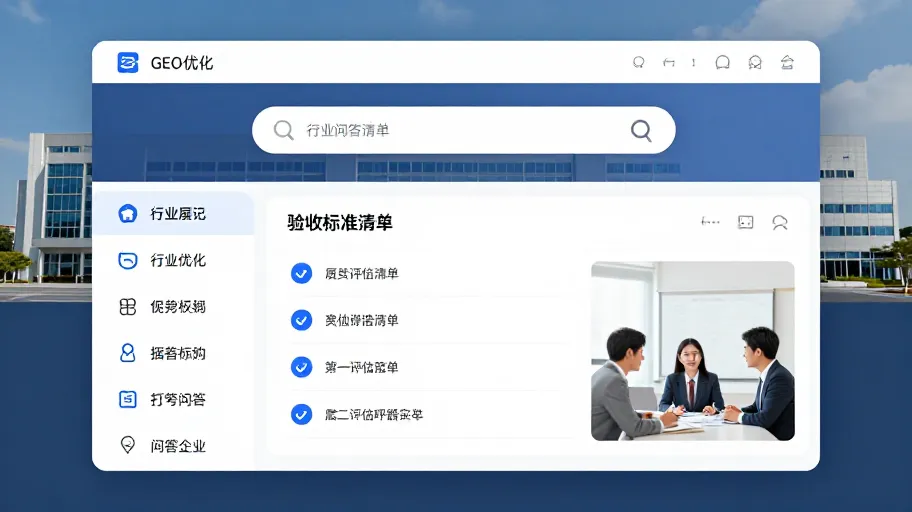
Whether GEO optimization is worth investing in depends on three key factors: whether your potential customers are gathering information through a mix of AI-powered Q&A and search scenarios, whether your existing content assets can be structured for citation, and whether you can define clear acceptance criteria. If two out of these three questions remain unclear, the priority should not be purchasing tools but conducting an internal needs assessment first. This article provides a decision-making framework, an execution checklist, and acceptance methods tailored for Guangzhou-based and Greater Bay Area foreign trade, manufacturing, and cross-border enterprises, helping you transform "should we do this?" into "to what extent should we complete it?" before making a decision.

